
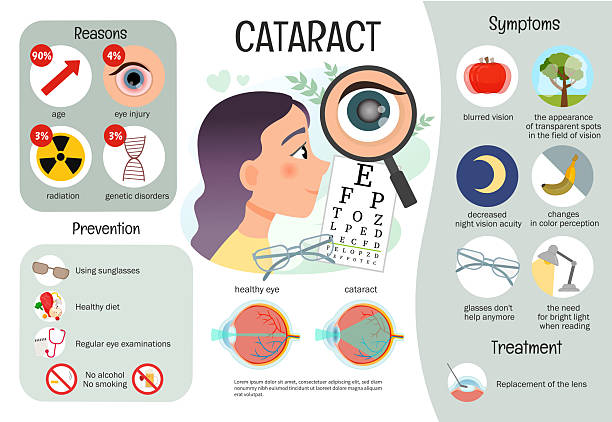
Cataract surgery recovery is usually straightforward, but diet can still play a role in healing, inflammation control, and overall comfort. There is no strict “cataract surgery diet,” but some foods and habits may slow recovery, increase inflammation, or interfere with general eye health.
Most doctors recommend focusing on balanced meals, hydration, and avoiding foods that may contribute to swelling or poor healing.

Highly Processed Foods
Highly processed foods are often high in unhealthy fats, salt, and additives.
Examples include:
- Packaged snacks
- Fast food
- Fried foods
- Processed meats
These foods may contribute to inflammation and are generally not ideal during recovery.
Excessively Salty Foods
Too much sodium can lead to fluid retention and swelling.
Foods high in salt include:
- Chips
- Instant noodles
- Processed frozen meals
- Canned soups with high sodium
Moderate salt intake may help support better overall recovery.
Sugary Foods and Drinks
Large amounts of sugar may affect inflammation and blood sugar control, especially for people with diabetes.
Common high sugar foods include:
- Soft drinks
- Candy
- Pastries
- Sweet desserts
Stable blood sugar levels are particularly important because diabetes can affect eye healing.
Alcohol
Alcohol may interfere with hydration and recovery, especially immediately after surgery.
It can also interact with certain medications or prescription eye drops.
Many doctors recommend limiting or avoiding alcohol for at least the early recovery period.
Greasy and Heavy Foods
Very greasy meals may cause discomfort or nausea after surgery, especially if sedation or medications were used.
Heavy meals are not dangerous for most people, but lighter foods are often easier during the first day or two.
Foods That May Cause Constipation
Constipation can sometimes increase physical strain during bowel movements, which is not ideal during eye recovery.
Foods that may contribute include:
- Highly processed snacks
- Excessive cheese
- Low fiber diets
Drinking water and eating fiber rich foods can help.
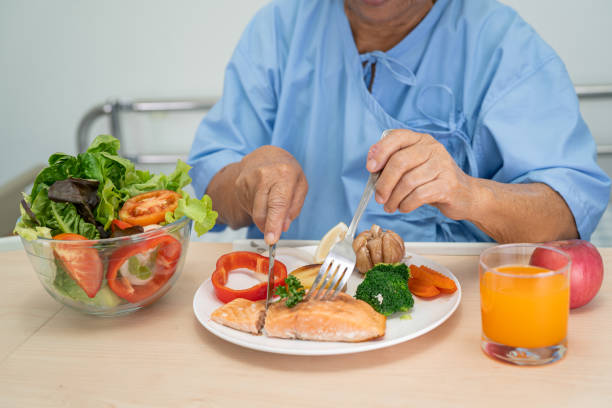
Better Foods for Recovery
Instead of focusing only on restrictions, it helps to choose foods that support healing.
Good options include:
- Leafy greens
- Fish rich in omega 3 fats
- Fruits and vegetables
- Whole grains
- Lean protein
- Nuts and seeds
These foods contain nutrients that support general eye and immune health.
Importance of Hydration
Staying hydrated is important after surgery.
Water helps support:
- Healing
- Medication tolerance
- General recovery
Avoiding dehydration may also help reduce fatigue and dryness.
Special Considerations for Diabetes
People with diabetes should pay close attention to blood sugar after cataract surgery.
High blood sugar can slow healing and increase complication risk.
Balanced meals and consistent monitoring are especially important in these cases.
Follow Your Surgeon’s Instructions
Diet advice may vary depending on:
- Overall health
- Medications
- Existing medical conditions
- Recovery progress
The most important instructions usually involve:
- Using eye drops correctly
- Avoiding eye rubbing
- Preventing infection
- Attending follow up appointments
When to Contact a Doctor
Seek medical advice if recovery includes:
- Increasing pain
- Vision worsening suddenly
- Significant redness
- Discharge from the eye
- Severe swelling
These symptoms may require prompt evaluation.
Final Thoughts
After Cataract surgery, there are no extreme food restrictions for most people, but avoiding heavily processed, salty, sugary, and greasy foods may help support smoother recovery. A balanced diet with hydration, vegetables, lean protein, and healthy fats is generally the better approach.
Following your eye surgeon’s instructions remains far more important than any single food choice during recovery.