
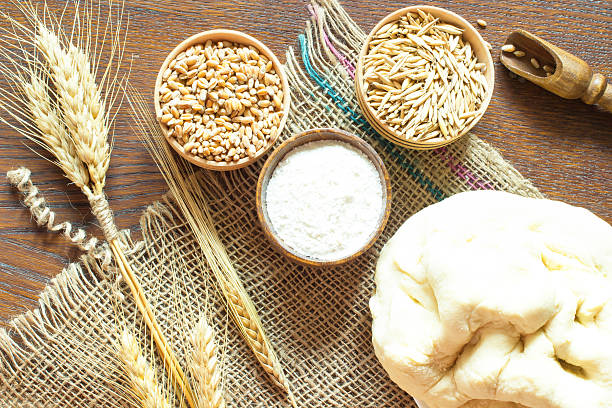
There is something deeply satisfying about pulling a tray of warm, golden dinner rolls out of the oven. The smell fills the kitchen, the tops are lightly crisp, and the inside is soft enough to tear apart with your hands. ever thought whole wheat bread turns out dense or dry, this recipe will change your mind.
These whole wheat dinner rolls are soft, fluffy, and slightly nutty in flavor. pantry ingredients and a method that works even if you are not an experienced baker. This guide walks you through step in a clear and practical way so you can get consistent results at home.
Why Choose Whole Wheat Dinner Rolls
Whole wheat flour includes the entire grain. That means more fiber, vitamins, and minerals.
That said, whole wheat flour can be tricky.. The method in this recipe is designed to avoid that problem.
What Makes These Rolls Soft and Fluffy
Getting soft whole wheat rolls is not about one trick. It is a combination of small decisions that work together.
First, hydration matters. Whole wheat flour needs more liquid than white flour. This recipe uses enough moisture to keep the dough soft without making it sticky and hard to handle.
Second, fat plays a role. Butter or oil helps tenderize the dough and improves texture.
Third, kneading and resting are important. Proper kneading develops gluten, while enough rising time allows the dough to become light.
Finally, a touch of sweetness helps. It feeds the yeast and balances the natural earthiness of whole wheat.
Ingredients You Will Need
Here is a straightforward list of ingredients. Most of these are already in a typical kitchen.
- 3 ½ cups whole wheat flour
- 1 cup warm milk
- ¼ cup warm water
- 2 ¼ teaspoons active dry yeast
- ¼ cup honey or sugar
- ¼ cup butter, melted
- 1 teaspoon salt
- 1 large egg
Optional for brushing:
- Melted butter or milk
Step by Step Instructions
Step 1: Activate the Yeast
In a small bowl, combine warm water, a teaspoon of sugar, and the yeast. Let it sit for 5 to 10 minutes until it becomes foamy.
If nothing happens, the yeast may be inactive. It is better to restart than continue with inactive yeast.
Step 2: Mix the Dough
In a large mixing bowl, combine the warm milk, melted butter, honey, egg, and salt. Stir well.
Add the activated yeast mixture.
Gradually add the whole wheat flour, one cup at a time, mixing after each addition. The dough should start to come together and pull away from the sides.
Step 3: Knead the Dough
Transfer the dough onto a lightly floured surface. Knead for about 8 to 10 minutes.
The dough should become smooth and elastic. It will feel slightly tacky but should not stick heavily to your hands.
If needed, add a small amount of flour, but do not overdo it. Too much flour will make the rolls dense.
Step 4: First Rise
Place the dough in a lightly greased bowl. Cover it with a clean towel or plastic wrap.
Let it rise in a warm place for about 1 to 1.5 hours, or until it doubles in size.
A good tip is to place the bowl inside an oven that is turned off but slightly warm.
Step 5: Shape the Rolls
Punch down the dough gently to release air.
Divide it into equal portions, usually 12 to 15 pieces depending on size preference.
Shape each piece into a smooth ball by tucking the edges underneath.
Place the dough balls in a greased baking dish, leaving a little space between each one.
Step 6: Second Rise
Cover the shaped rolls and let them rise again for about 30 to 45 minutes.
They should look puffed and slightly touching each other.

Step 7: Bake
Preheat your oven to 375°F (190°C).
Bake the rolls for 18 to 22 minutes, or until the tops are golden brown.
Remove from the oven and brush with melted butter for a softer crust and better flavor.
Tips for Perfect Whole Wheat Dinner Rolls
Getting consistent results comes down to a few practical details.
Use fresh yeast. Expired yeast will not give a good rise.
Measure flour correctly. Scoop and level instead of packing it into the cup.
Do not rush the rising time. Under-proofed dough leads to dense rolls.
Keep the dough soft. A slightly sticky dough is better than a dry one.
Use warm, not hot liquids. High temperatures can kill the yeast.
Common Mistakes to Avoid
Many people struggle with whole wheat bread, but most issues are easy to fix.
Adding too much flour is the most common mistake. It makes the rolls heavy.
Skipping the second rise reduces fluffiness.
Baking too long dries out the rolls. Keep an eye on the color and remove them once golden.
Not kneading enough can lead to poor structure.
Variations You Can Try
Once you are comfortable with the basic recipe, you can adjust it in several ways.
You can mix half whole wheat flour and half all purpose flour for a lighter texture.
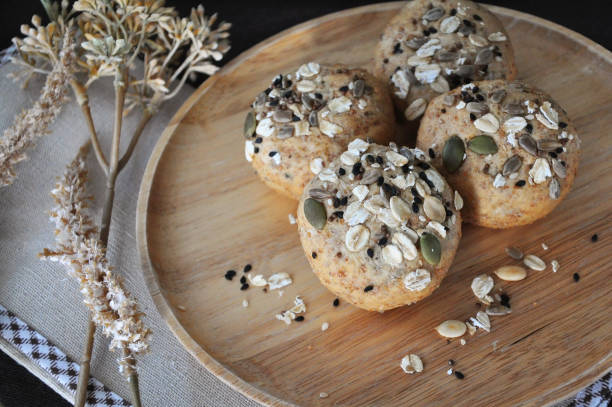
Add seeds like sesame, flax, or sunflower for extra crunch and nutrition.
Include herbs such as rosemary or thyme for a savory twist.
For a slightly sweet version, add a bit more honey and a pinch of cinnamon.
How to Store Dinner Rolls
Fresh rolls are best eaten the same day, but they store well if handled properly.
Keep them in an airtight container at room temperature for up to 2 days.
For longer storage, refrigerate them for up to a week. Warm them slightly before serving to restore softness.
You can also freeze them. Wrap tightly and store for up to 2 months. Thaw at room temperature and reheat in the oven.

Serving Ideas
Whole wheat dinner rolls are versatile and work with many meals.
Serve them with soups and stews. They are perfect for soaking up broth.
Use them as sandwich buns for sliders.
Pair them with butter and jam for breakfast.
They also go well with roasted meats, vegetables, and holiday meals.
Nutritional Benefits
Whole wheat rolls offer more than just good taste.
They are higher in fiber, which supports digestion.
They provide steady energy due to complex carbohydrates.
Compared to refined flour rolls, they are a more balanced choice.
Frequently Asked Questions
Can I make these rolls without eggs?
Yes. You can replace the egg with a flax egg or simply leave it out. The texture will be slightly different but still good.
Can I use instant yeast?
Yes. You can skip the activation step and mix it directly with the dry ingredients.
Why are my rolls dense?
Usually due to too much flour or not enough rising time.
Can I make the dough ahead of time?
Yes. After the first rise, refrigerate the dough overnight. Let it come to room temperature before shaping.
Final Thoughts
Making whole wheat dinner rolls at home is not complicated once you understand the basics. The key is to keep the dough soft, give it enough time to rise, and avoid adding too much flour.
These rolls strike a good balance between nutrition and comfort. They are soft, flavorful, and reliable. Once you try them, you will likely come back to this recipe often.