
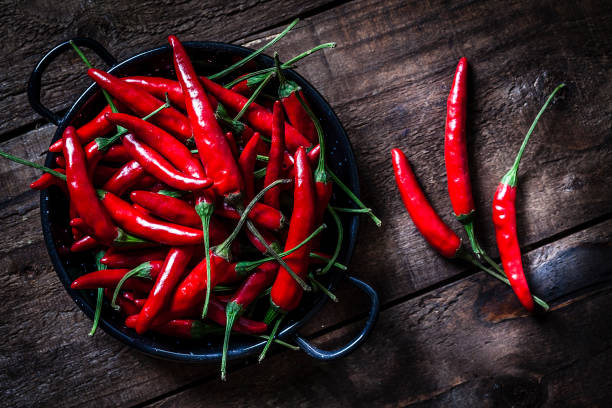
If you’ve come across the term “ven food,” you’re not alone in wondering what it actually means. It’s not a formal food category you’ll find in textbooks or official dietary guidelines. Instead, it’s a casual term people use in different ways depending on context.
Most often, “ven food” refers to venison, which is meat from deer. In some cases, it can also be used informally to describe simple, natural, or traditional foods, especially those that feel closer to nature and less processed.
In this guide, we’ll focus mainly on venison, since that’s the most widely accepted meaning in the United States. We’ll also touch on the broader idea of natural eating so you get the full picture.
What Is Venison?
Venison is a type of red meat that comes from deer. It has been part of human diets for thousands of years, especially in regions where hunting is common.
In the U.S., venison is popular among:
- Hunters and their families
- People interested in natural or organic foods
- Those looking for lean alternatives to beef
It has a rich flavor, slightly earthy, and less fatty than most cuts of beef.
Why Venison Is Gaining Attention in the U.S.
Over the past few years, more people have started paying attention to where their food comes from. That shift has brought venison back into focus.
Here’s why:
1. It’s Naturally Lean
Venison typically contains less fat than beef or pork. This makes it appealing for people trying to manage calorie intake without giving up meat entirely.
2. It’s Often Free of Added Hormones
Wild deer are not raised with hormones or antibiotics. For many consumers, that’s a major advantage.
3. It Fits a More Natural Eating Style
If you’re trying to reduce processed foods, venison fits easily into that approach.
4. It Has a Distinct Flavor
People who enjoy bold, natural flavors often prefer venison over more common meats.
Nutritional Value of Venison
Venison is not just about taste. It also offers solid nutritional benefits.
A typical serving provides:
- High-quality protein
- Iron
- Zinc
- B vitamins, especially B12
Compared to beef, venison usually has:
- Lower fat content
- Fewer calories
- Similar or higher protein levels
This makes it a strong option for people focused on balanced eating.
How Venison Compares to Other Meats
Let’s keep it simple.
Venison vs Beef
- Venison is leaner
- Beef is more widely available
- Venison has a stronger flavor
Venisons vs Chicken
- Venison has more iron
- Chicken is milder and easier to cook
- Venison requires more attention to avoid overcooking
Venison vs Pork
- Venison is lower in fat
- Pork is softer and more forgiving in recipes
Each has its place, but venison stands out for its nutritional profile and natural sourcing.
Common Cuts of Venison
If you’re new to venison, understanding the cuts helps.
Backstrap
This is one of the most tender cuts. It’s often used for steaks.
Tenderloin
Very soft and easy to cook. Best for quick, simple recipes.
Shoulder
Tougher, but great for slow cooking.
Ground Venison
Versatile and easy to use in everyday meals.
How to Cook Venison Without Overcomplicating It
Cooking venison is not difficult, but it does require a slightly different approach than beef.
The main rule is simple: don’t overcook it.
Because venison is lean, it can become dry if cooked too long.
Basic Cooking Tips
- Cook to medium rare or medium
- Use marinades to add moisture
- Let the meat rest after cooking
- Use low and slow methods for tougher cuts
Easy Venison Recipes You Can Try
You don’t need advanced skills to cook venison well. Here are a few simple ideas.
1. Pan-Seared Venison Steak
Season with salt, pepper, and garlic. Sear in a hot pan for a few minutes on each side. Let it rest before serving.
2. Venison Burgers
Mix ground venison with a bit of fat or oil to keep it juicy. Grill or pan-cook like regular burgers.
3. Slow-Cooked Venison Stew
Use shoulder cuts with vegetables and broth. Cook on low heat for several hours.
4. Venison Tacos
Use ground venison with simple spices. Serve with tortillas and fresh toppings.
Where to Buy Venison in the U.S.
Venison is not as widely available as chicken or beef, but you still have options.
Local Butchers
Many independent butchers carry venison or can order it for you.
Farmers Markets
Some vendors sell farm-raised venison.
Online Meat Suppliers
Several companies ship frozen venison directly to your home.
Hunting
For many people, hunting remains the primary source.
Is Venison Safe to Eat?
Yes, when handled and cooked properly.
Like any meat, it requires:
- Proper storage
- Clean preparation
- Adequate cooking
If you’re buying from a reputable source, safety standards are usually well maintained.
The Broader Meaning of “Ven Food”
In some contexts, people use “ven food” more loosely to describe simple, natural, or minimally processed foods.
This can include:
- Fresh vegetables
- Whole grains
- Lean meats
- Homemade meals
It’s not an official category, but the idea is clear: food that is closer to its natural state.
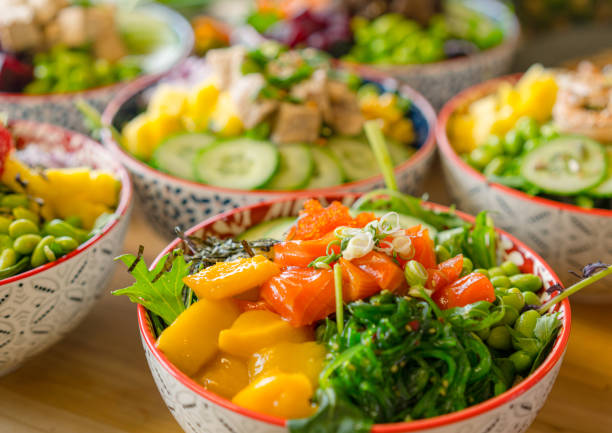
Table top of Salmon, Tuna and Veg bowl with food bowls in background.
Why Simple, Natural Food Is Trending
Even beyond venison, there’s a shift toward simpler eating habits in the U.S.
People are paying more attention to:
- Ingredient lists
- Food sourcing
- Cooking at home
This doesn’t mean extreme diets. It usually just means fewer processed foods and more whole ingredients.
Common Misconceptions About Venison
“It tastes too strong”
Not always. Proper preparation makes a big difference.
“It’s hard to cook”
It’s actually simple once you understand basics.
More stores and online services now make it accessible.
Tips for First-Time Buyers
If you’re trying venison for the first time, keep it simple.
- Start with ground venison
- Try familiar recipes like burgers or tacos
- Buy small quantities first
- Ask your butcher for advice
This approach makes the transition easier.
Environmental Perspective
Venison, especially from wild deer, can be a more sustainable option in some cases.
Deer populations are often managed to prevent overpopulation, which can harm ecosystems. Responsible hunting helps maintain balance.
Farm-raised venison also tends to have a smaller environmental footprint compared to some industrial meat production systems.
Cost Considerations
Venison can be more expensive than common meats, especially when purchased commercially.
Factors that affect price include:
- Source (wild vs farm-raised)
- Cut of meat
- Availability in your area
However, many people find the quality and nutritional value worth the cost.
Should You Add Venison to Your Diet?
It depends on your preferences and goals.
Venison is a good option if you want:
- Lean protein
- Natural sourcing
- A change from standard meats
It may not be ideal if you prefer mild flavors or very quick cooking methods.
Final Thoughts
“Ven food” might sound unclear at first, but in most cases, it points to something simple and grounded. Whether you take it to mean venison or a broader approach to natural eating, the idea is the same: food that is straightforward, real, and satisfying.
Venison itself is a strong example of that approach. It’s nutritious, flavorful, and rooted in a long tradition of human diets.
You don’t need to overhaul your eating habits to try it. Start small. Cook a simple meal. See how it fits into your routine.
If it works for you, it can become a regular part of how you eat. If not, you still gain a better understanding of your options.