
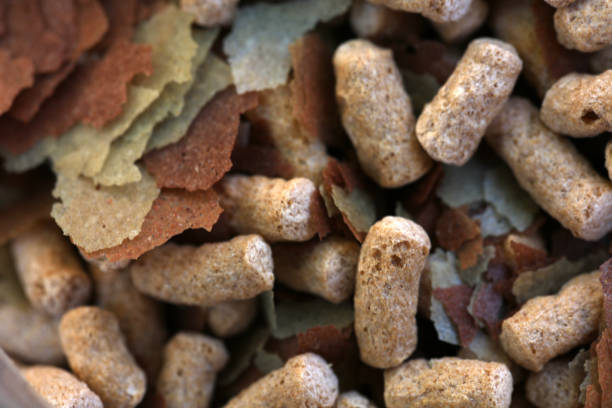
Fish food flakes are one of the most common types of aquarium fish food. They are widely used because they are affordable, easy to store, and suitable for many freshwater tropical fish species.
For beginners especially, fish food flakes are often the first choice because they are simple to feed and available in most pet stores.

What Are Fish Food Flakes Made Of?
Fish flakes are usually made from a blend of ingredients designed to provide balanced nutrition.
Common ingredients include:
- Fish meal
- Shrimp meal
- Algae or spirulina
- Wheat or grain products
- Vitamins and minerals
- Plant proteins
Different formulas are designed for different fish species and dietary needs.
Which Fish Eat Flake Food?
Flake food works best for small to medium fish that feed near the water surface or middle levels of the tank.
Popular fish that commonly eat flakes include:
- Tetras
- Guppies
- Mollies
- Angelfish
- Bettas
- Barbs
Some bottom dwelling fish may prefer pellets or sinking foods instead.
Types of Fish Food Flakes
There are several types available depending on the aquarium setup.
Tropical Fish Flakes
These are general purpose flakes designed for community freshwater tanks.
Goldfish Flakes
Goldfish formulas usually contain ingredients suited to goldfish digestion and growth.
Color Enhancing Flakes
These include ingredients meant to improve natural fish coloration.
Spirulina or Algae Flakes
Popular for herbivorous or plant eating fish species.
How Much Flake Food Should You Feed?
Overfeeding is one of the most common aquarium mistakes.
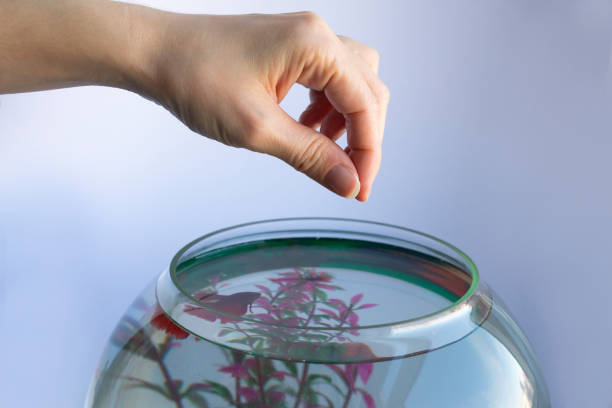
A general rule is to feed only what fish can eat within a few minutes.
Too much leftover food can:
- Pollute the water
- Increase ammonia levels
- Cause cloudy water
- Lead to algae growth
Small portions are usually better than large feedings.
How Often Should Fish Be Fed?
Most aquarium fish are fed:
- Once or twice daily for adult fish
- More frequently for young growing fish
Some species may have different feeding needs depending on size and activity level.
How to Store Fish Food Flakes
Proper storage helps maintain nutritional quality.
Tips include:
- Keep containers sealed tightly
- Store in a cool, dry place
- Avoid direct sunlight
- Replace old food regularly
Fish food can lose nutrients over time after opening.
Flake Food vs Pellets
Both options are popular, but they work differently.
Flakes
- Easier for small fish to eat
- Float at the surface
- Good for community tanks
Pellets
- Often less messy
- Available in sinking or floating versions
- Better for larger fish in some cases
Many aquarium owners use a combination of foods for variety.
Signs Your Fish May Need Better Nutrition
Poor diet can affect fish health gradually.
Possible warning signs include:
- Dull coloration
- Low activity
- Weight loss
- Slow growth
- Fin problems
Different species also have different nutritional requirements, so research matters.

Should Fish Only Eat Flakes?
Not always. Variety is often healthier for aquarium fish.
Many hobbyists supplement flakes with:
- Frozen foods
- Live foods
- Vegetables
- Pellets
- Algae wafers
A more varied diet may improve overall fish health and behavior.
Final Thoughts
Fish food flakes remain one of the easiest and most practical feeding options for many aquarium setups. They are simple to use, widely available, and suitable for a large variety of tropical fish.
The key is choosing quality food, feeding the right amount, and matching the diet to the needs of the fish species in your aquarium.