
Feeding an infant at dinner time can feel surprisingly complicated. One day your baby happily eats mashed sweet potatoes, and the next day everything ends up on the floor. That is normal. Babies between 6 and 12 months are still learning how to chew, swallow, and explore different textures.
The good news is that infant dinners do not need to be fancy. Soft, simple foods with balanced nutrition are usually the best option. Babies need meals that are gentle on tiny stomachs, easy to chew, and full of nutrients that support growth and brain development.
This guide covers everything you need to know about dinner recipes for infants, including safe ingredients, feeding tips, texture guidance, and easy recipes you can make at home without spending hours in the kitchen.
Why Dinner Matters for Infants
Dinner is often the final meal before bedtime, so it can help babies feel satisfied and calm during the night. A balanced evening meal may support better sleep and help infants get important nutrients like:
- Iron
- Healthy fats
- Protein
- Calcium
- Fiber
- Vitamins A and C
At this stage, breast milk or formula is still the primary source of nutrition, but solid foods help babies practice eating skills and discover new flavors.
Soft dinners also help infants transition from purees to more textured foods over time.
When Babies Are Ready for Dinner Foods
Most babies begin solids around 6 months old. Signs your baby may be ready include:
- Sitting with support
- Good head control
- Showing interest in food
- Opening mouth when food approaches
- Losing the tongue-thrust reflex
Always introduce one new ingredient at a time and watch for allergic reactions.
If your baby was born early or has feeding concerns, talk with your pediatrician before starting solids.
Safe Texture Guidelines for Infant Dinners
Texture matters more than many parents realize. Foods should match your baby’s developmental stage.
6 to 8 Months
Best textures include:
- Smooth purees
- Mashed foods
- Soft blended meals
- Thin oatmeal
- Mashed vegetables
8 to 10 Months
Babies may handle:
- Thicker mashed foods
- Soft finger foods
- Tiny pasta pieces
- Scrambled eggs
- Soft fruits
10 to 12 Months
Many babies can eat:
- Soft rice dishes
- Shredded chicken
- Small vegetable pieces
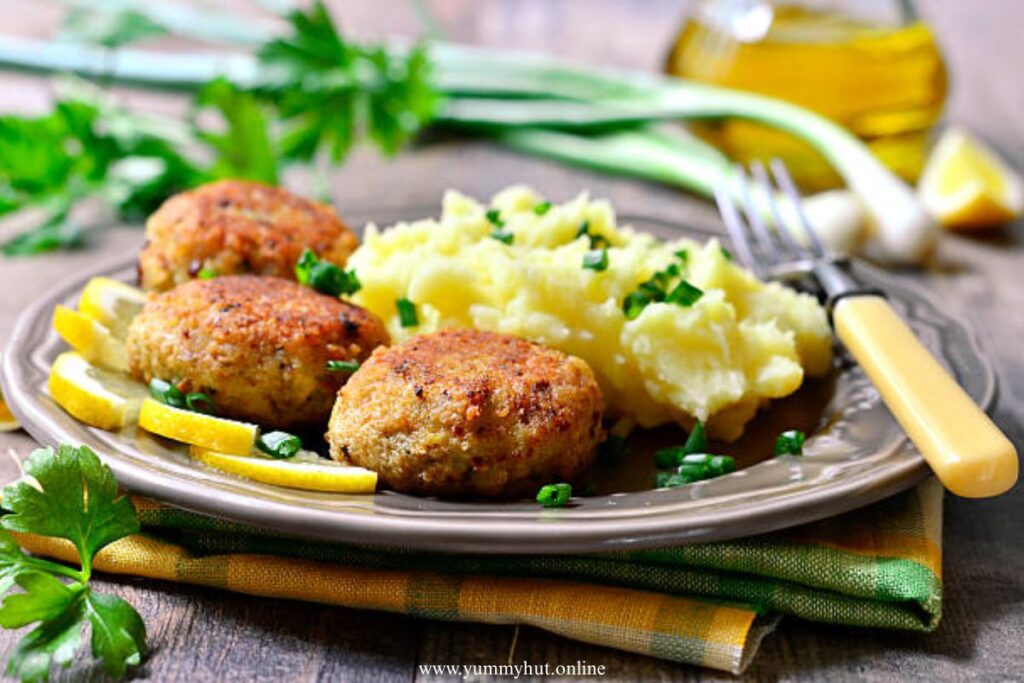
- Soft meatballs
- Bite-sized pasta
Avoid hard, round, sticky, or choking-risk foods.
Foods to Avoid for Infants
Some foods are unsafe for babies under one year old.
Avoid:
- Honey
- Whole grapes
- Popcorn
- Nuts
- Hard candy
- Large chunks of meat
- Excess salt
- Sugary foods
- Unpasteurized dairy
Also avoid adding too much seasoning. Babies do not need extra salt or sugar.
Essential Nutrients for Infant Dinners
Iron
Iron supports brain development. Good sources include:
- Lentils
- Chicken
- Beef
- Spinach
- Iron-fortified cereals
Healthy Fats
Healthy fats help brain growth.
Try:
- Avocado
- Olive oil
- Full-fat yogurt
- Salmon
Protein
Protein supports muscle and tissue growth.
Good options:
- Eggs
- Beans
- Chicken
- Turkey
- Yogurt
Fiber
Fiber supports digestion.
Include:
- Sweet potatoes
- Oats
- Peas
- Pears
Easy Dinner Recipes for Infants
These recipes are soft, nutritious, and practical for busy evenings.

1. Creamy Sweet Potato Mash
Sweet potatoes are naturally soft and slightly sweet, making them ideal for infants.
Ingredients
- 1 sweet potato
- 1 teaspoon olive oil
- Breast milk, formula, or water as needed
Instructions
- Peel and cube the sweet potato.
- Steam until very soft.
- Mash with olive oil.
- Add liquid for a smoother texture if needed.
Why Babies Love It
The natural sweetness and creamy texture are comforting and easy to eat.
2. Soft Chicken and Rice Bowl
This dinner introduces protein and grains in a gentle form.
Ingredients
- 2 tablespoons cooked shredded chicken
- 1/4 cup soft cooked rice
- 2 tablespoons steamed carrots
- Low-sodium broth or water
Instructions
- Cook rice until extra soft.
- Steam carrots until tender.
- Blend or mash everything together.
- Add broth for smoother consistency.
Nutrition Benefits
This recipe provides protein, carbohydrates, and vitamin A.
3. Avocado Banana Mash
Perfect for nights when you need something quick.
Ingredients
- 1/2 ripe avocado
- 1/2 banana
Instructions
- Mash together until smooth.
- Serve immediately.
Why It Works
Avocado provides healthy fats while banana adds potassium and natural sweetness.
4. Baby Lentil Stew
Lentils are rich in iron and fiber.
Ingredients
- 1/4 cup red lentils
- 1 small carrot
- 1 small potato
- Water
Instructions
- Simmer lentils and vegetables until very soft.
- Mash or blend lightly.
- Cool before serving.
Texture Tip
Leave tiny soft chunks for older infants who are practicing chewing.
5. Soft Scrambled Eggs With Spinach
Eggs make an easy high-protein dinner.
Ingredients
- 1 egg
- Small handful spinach
- Butter or olive oil
Instructions
- Chop spinach finely.
- Cook spinach until wilted.
- Add beaten egg and cook softly.
Important Note
Introduce eggs earlier in the day the first time to monitor allergies.
6. Creamy Oatmeal Dinner Bowl
Oatmeal is not only for breakfast.
Ingredients
- 1/4 cup oats
- Water or milk
- Mashed pear
- Cinnamon pinch
Instructions
- Cook oats until soft.
- Stir in mashed pear.
- Add cinnamon lightly if desired.
Why Parents Like It
It is affordable, filling, and gentle on digestion.
7. Salmon and Potato Mash
Salmon contains omega-3 fatty acids important for brain development.
Ingredients
- Small cooked salmon piece
- 1 potato
- Breast milk or formula
Instructions
- Steam potato until soft.
- Remove all salmon bones carefully.
- Mash together until smooth.
Safety Tip
Always double-check for tiny bones before serving.
8. Tiny Turkey Meatballs
Best for older infants around 10 to 12 months.
Ingredients
- Ground turkey
- Oats
- Egg yolk
Instructions
- Mix ingredients.
- Roll tiny meatballs.
- Bake until fully cooked.
- Serve mashed or cut into tiny pieces.
Texture Advice
Keep meatballs moist and soft.
9. Mac and Cheese for Babies
A softer, lighter version of the classic comfort food.
Ingredients
- Small pasta shapes
- Full-fat cheese
- Milk
- Steamed cauliflower
Instructions
- Cook pasta until very soft.
- Blend cauliflower with milk and cheese.
- Stir sauce into pasta.
Hidden Vegetable Benefit
Cauliflower creates a creamy texture without heavy sauces.
10. Vegetable Quinoa Bowl
Quinoa is soft and nutrient dense.
Ingredients
- Cooked quinoa
- Peas
- Carrots
- Olive oil
Instructions
- Cook quinoa thoroughly.
- Steam vegetables until soft.
- Mash lightly together.
Why It Is Nutritious
Quinoa contains protein, iron, and fiber.
Tips for Making Infant Dinners Easier
Batch Cook When Possible
Prepare larger portions and freeze small servings in containers or silicone trays.
Keep Meals Simple
Babies do not need complicated recipes. Even two or three ingredients can create a balanced meal.
Watch Baby’s Cues
Stop feeding if your baby:
- Turns away
- Closes mouth
- Becomes upset
- Pushes food away
Avoid forcing bites.
Introduce Variety Slowly
Offer different foods over time so babies become familiar with many flavors and textures.
Finger Food Ideas for Older Infants
As babies grow, they often want more independence during meals.
Good soft finger foods include:
- Steamed broccoli
- Soft pasta
- Banana slices
- Avocado strips
- Soft scrambled eggs
- Ripe peach slices
- Soft cooked zucchini
Foods should squish easily between your fingers.
How to Handle Picky Eating
Picky phases are common during infancy and toddlerhood.
Helpful strategies:
- Offer foods repeatedly
- Stay calm during meals
- Eat together as a family
- Avoid distractions
- Let babies explore textures
A baby may need multiple exposures before accepting a new food.
Best Cooking Methods for Infant Foods
Steaming
Steaming keeps vegetables soft while preserving nutrients.
Baking
Baking works well for sweet potatoes, apples, and soft proteins.
Boiling
Useful for pasta, lentils, and rice dishes.
Slow Cooking
Makes meats and vegetables tender and easy to mash.
Common Infant Feeding Questions
How Much Should an Infant Eat for Dinner?
Portions vary widely. Some babies eat a few spoonfuls while others eat more.
Focus on appetite cues instead of exact amounts.
Can Babies Eat Spices?
Mild herbs and spices are usually fine in small amounts.
Examples:
- Cinnamon
- Basil
- Oregano
- Garlic powder
Avoid very spicy foods.
Should Babies Drink Water With Dinner?
Small sips of water can be offered with meals after 6 months.
Can Infants Eat Dairy?
Most babies can eat yogurt and cheese before age one, but avoid regular cow’s milk as a main drink until after the first birthday.
One Week Infant Dinner Plan
Monday
Sweet potato mash with soft chicken
Tuesday
Creamy oatmeal with pear
Wednesday
Lentil stew with carrots
Thursday
Avocado banana mash with yogurt
Friday
Soft scrambled eggs with spinach
Saturday
Salmon potato mash
Sunday
Mac and cheese with cauliflower sauce

Signs a Dinner Texture Is Too Difficult
Watch for:
- Gagging repeatedly
- Coughing often
- Spitting food out constantly
- Frustration during meals
Move back to softer textures if needed.
Storage and Reheating Tips
- Refrigerate leftovers within two hours
- Use refrigerated baby food within 48 hours
- Freeze portions for up to three months
- Reheat until warm, not hot
- Stir thoroughly to avoid hot spots
Always test temperature before serving.
Budget-Friendly Infant Dinner Ideas
Healthy baby meals do not need expensive ingredients.
Affordable options include:
- Oats
- Lentils
- Rice
- Eggs
- Sweet potatoes
- Bananas
- Frozen vegetables
Cooking at home is usually cheaper than buying packaged baby meals.
Building Healthy Eating Habits Early
Infant feeding is not only about nutrition. It also helps shape long-term eating habits.
Positive mealtime habits include:
- Sitting together at meals
- Offering balanced foods
- Allowing self-feeding practice
- Avoiding pressure around eating
These small routines can help children develop a healthy relationship with food later in life.
Final Thoughts
Dinner recipes for infants should focus on softness, nutrition, and simplicity. Babies do not need gourmet meals. They need safe textures, balanced ingredients, and opportunities to explore food comfortably.
Start with gentle foods like sweet potatoes, oats, avocado, lentils, and soft proteins. As your baby grows, gradually introduce more texture and variety.
Most importantly, remember that every baby develops differently. Some infants love solids immediately while others take more time. Patience and consistency matter far more than perfection.