

Styrofoam food containers have been widely used for decades in restaurants, takeout services, food trucks, and cafeterias. They are lightweight, inexpensive, and good at keeping food warm, which makes them popular in the food service industry.
Even though many businesses still use them, concerns about environmental impact and recycling have led some cities and companies to move toward alternative packaging materials.
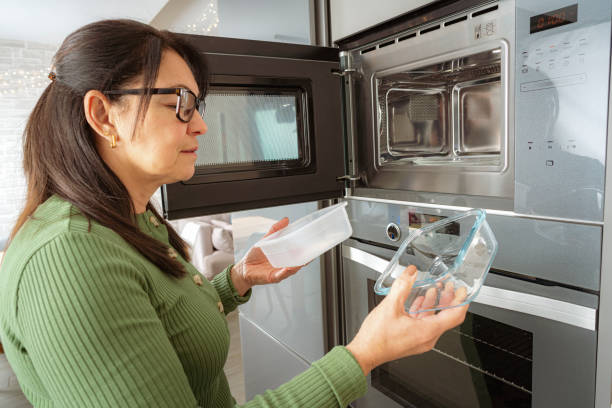
What Are Styrofoam Food Containers?
Most containers commonly called “Styrofoam” are actually made from expanded polystyrene foam, often shortened to EPS.
These containers are designed to hold:
- Hot meals
- Cold foods
- Drinks
- Takeout items
- Leftovers
They are commonly used because they provide insulation and help maintain food temperature during transport.
Why Restaurants Use Styrofoam Containers
Many food businesses continue using foam containers for practical reasons.
Lightweight Design
Styrofoam containers are easy to stack, carry, and transport.
Good Insulation
They help keep hot foods warm and cold foods chilled longer than some paper alternatives.
Low Cost
Foam containers are usually cheaper than many eco friendly packaging options.
Leak Resistance
Many foam food containers resist moisture better than thin paper packaging.
Common Types of Styrofoam Food Containers
There are several styles available for different food service needs.
Hinged Takeout Containers
Often used for:
- Burgers
- Rice dishes
- Fried foods
- Combo meals
Foam Cups
Used for:
- Coffee
- Soft drinks
- Soup
Compartment Trays
Popular in schools, cafeterias, and meal service programs.

Environmental Concerns
One of the biggest criticisms of Styrofoam food containers is environmental impact.
Concerns include:
- Slow decomposition
- Difficulty recycling
- Plastic pollution
- Litter in waterways and oceans
Because foam breaks into smaller pieces easily, cleanup and waste management can become difficult.
Are Styrofoam Containers Recyclable?
Technically, some foam products can be recycled, but recycling access is limited in many areas.
Many local recycling programs do not accept foam food containers because:
- They are lightweight but bulky
- Food contamination is common
- Processing costs can be high
As a result, many used containers end up in landfills.
Health and Food Safety Questions
Food grade foam containers are regulated for food use, but people still sometimes question their safety.
Generally, problems are more likely when:
- Very hot oily foods are stored for long periods
- Containers are microwaved improperly
- Low quality products are used
Following manufacturer guidelines helps reduce risks.
Alternatives to Styrofoam Containers
Many businesses now use alternative packaging materials instead.
Popular options include:
- Paper containers
- Compostable fiber containers
- Biodegradable packaging
- Recyclable plastic containers
- Plant based materials
These alternatives may cost more but are often marketed as environmentally friendlier.
Why Some Businesses Still Prefer Foam Containers
Despite criticism, many restaurants continue using foam because it remains affordable and effective for food delivery.
Small businesses especially may choose foam packaging due to:
- Lower operating costs
- Better insulation
- Easier storage
- Reliable performance for takeout orders
For some businesses, switching to eco friendly packaging significantly increases expenses.

Regulations and Bans
Some cities and states in the United States have restricted or banned certain foam food containers.
These policies usually aim to reduce:
- Plastic waste
- Environmental pollution
- Landfill growth
Rules vary widely depending on location.
Final Thoughts
Styrofoam food containers remain common in the food service industry because they are affordable, lightweight, and effective at maintaining food temperature. At the same time, environmental concerns and recycling challenges continue pushing businesses toward alternative packaging options.
For restaurants and consumers alike, the decision often comes down to balancing cost, convenience, food performance, and environmental impact.