
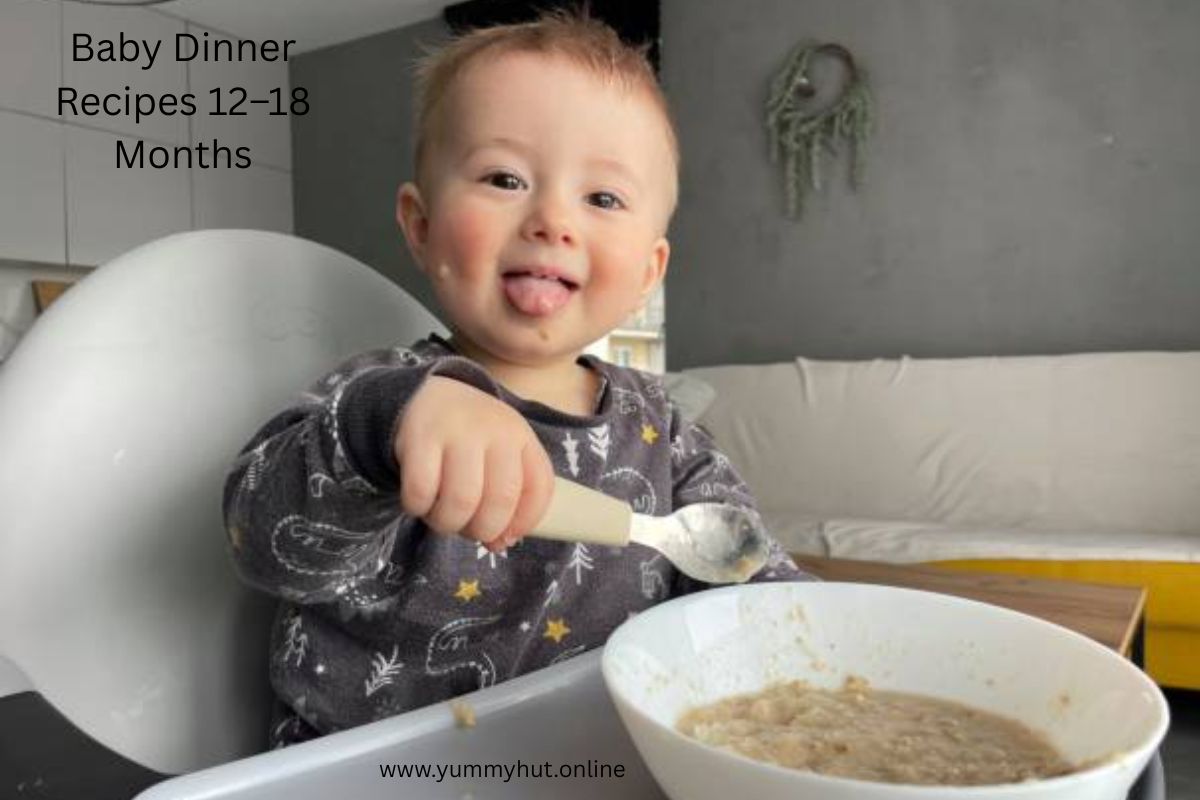
Feeding a toddler between 12 and 18 months can feel like a moving target. One day they eat everything on the plate, the next day they refuse even their favorite food. That is normal. At this stage, your child is learning independence, developing taste preferences, and improving chewing and motor skills. Dinner is a great opportunity to offer balanced, nutritious meals that support growth while also encouraging good eating habits.
This guide covers practical, healthy dinner ideas that are simple to prepare, along with tips to make mealtime easier and less stressful.
What to Focus on at 12–18 Months
By this age, most babies are transitioning fully to solid foods. They can eat a wide variety of textures and flavors. The goal is not perfection but balance over time.
A typical dinner plate should include:
- Protein for growth (chicken, eggs, beans, yogurt)
- Healthy fats for brain development (avocado, olive oil)
- Carbohydrates for energy (rice, pasta, potatoes)
- Fruits and vegetables for vitamins and fiber
Portions should be small. Toddlers have small stomachs and unpredictable appetites. Let your child guide how much they eat.
Texture and Safety Tips
At this stage, your baby can handle more texture, but safety still matters.
- Cut food into small, soft, bite-sized pieces
- Avoid hard, round foods like whole grapes or nuts
- Cook vegetables until soft
- Introduce new foods one at a time if allergies are a concern
Easy Baby Dinner Recipes (12–18 Months)
These recipes are simple, nutritious, and toddler-friendly.
1. Soft Chicken and Vegetable Rice
Why it works: Balanced, mild flavor, easy to chew.
Ingredients:
- Cooked rice
- Shredded chicken
- Carrots (soft cooked)
- Peas
- A little olive oil
Instructions:
Mix everything together while warm. Mash slightly if needed for softer texture.
2. Mini Veggie Omelet
Why it works: High in protein and quick to make.
Ingredients:
- Eggs
- Finely chopped spinach
- Tomato (optional)
- A little butter
Instructions:
Whisk eggs and vegetables, cook on low heat until soft. Cut into small strips.
3. Mashed Sweet Potato and Lentils
Why it works: Gentle on digestion and very nutritious.
Ingredients:
- Boiled sweet potato
- Cooked lentils
- A drizzle of olive oil
Instructions:
Mash everything together until smooth or slightly chunky.
4. Soft Pasta with Creamy Veggie Sauce
Why it works: Familiar texture, easy to customize.
Ingredients:
- Small pasta shapes
- Steamed broccoli or carrots
- Plain yogurt or cream cheese
Instructions:
Blend vegetables with yogurt, mix with pasta, serve warm.
5. Banana Pancakes
Why it works: Naturally sweet, no added sugar needed.
Ingredients:
- 1 ripe banana
- 1 egg
- A little flour
Instructions:
Mash banana, mix with egg and flour, cook small pancakes on low heat.
6. Rice and Fish Mash
Why it works: Good source of omega-3 fats.
Ingredients:
- Soft cooked rice
- Boneless cooked fish (like salmon)
- A bit of butter
Instructions:
Flake fish carefully, mix with rice, mash lightly.
7. Vegetable Khichdi (Rice and Lentils)
Why it works: Complete meal in one dish.
Ingredients:
- Rice
- Lentils
- Mixed vegetables
- Mild spices like turmeric
Instructions:
Cook everything together until soft and slightly mushy.
8. Avocado Toast Bites
Why it works: Healthy fats and easy finger food.
Ingredients:
- Soft bread
- Ripe avocado
Instructions:
Mash avocado, spread on bread, cut into small pieces.
9. Soft Chicken Meatballs
Why it works: Protein-rich and easy to hold.
Ingredients:
- Ground chicken
- Breadcrumbs
- Egg
- Mild seasoning
Instructions:
Mix, form small balls, bake or pan-cook until fully done and soft.
10. Yogurt and Fruit Bowl
Why it works: Light dinner option or side.
Ingredients:
- Plain yogurt
- Soft fruits like banana or berries
Instructions:
Mix and serve immediately.

Weekly Sample Dinner Plan
Keeping a simple plan can reduce stress.
Day 1: Chicken rice with vegetables
Day 2: Veggie omelet with soft toast
Day 3: Sweet potato and lentil mash
Day 4: Pasta with veggie sauce
Day 5: Fish and rice mash
Day 6: Khichdi
Day 7: Chicken meatballs with soft veggies
This rotation keeps meals varied without making cooking complicated.
Common Feeding Challenges
1. Refusing Food
Toddlers often reject food for no clear reason. Stay calm and avoid forcing. Offer the same food again another day.
2. Playing with Food
This is part of learning. Let them explore textures. Keep portions small to reduce waste.
3. Eating Very Little
Appetite varies daily. Focus on what they eat over a few days, not one meal.
Tips to Make Dinner Easier
- Eat together as a family when possible
- Offer water instead of juice
- Keep meals simple and consistent
- Avoid distractions like screens
- Introduce new foods alongside familiar ones
Foods to Limit or Avoid
- Added sugar
- Excess salt
- Fried or heavily processed foods
- Honey before 1 year (after 12 months it is fine, but use in moderation)
- Choking hazards like whole nuts, popcorn
Nutritional Priorities
At this age, key nutrients include:
- Iron: Found in meat, lentils, spinach
- Calcium: Yogurt, cheese, milk
- Healthy fats: Avocado, fish, olive oil
- Protein: Eggs, chicken, beans
Balanced meals help support steady growth and development.
Final Thoughts
Feeding a toddler is less about perfect meals and more about consistency and exposure. Offer a variety of healthy foods, keep portions small, and allow your child to explore eating at their own pace.
Some nights will go smoothly, others will not. That is part of the process. What matters is creating a relaxed environment where your child can build a positive relationship with food.