
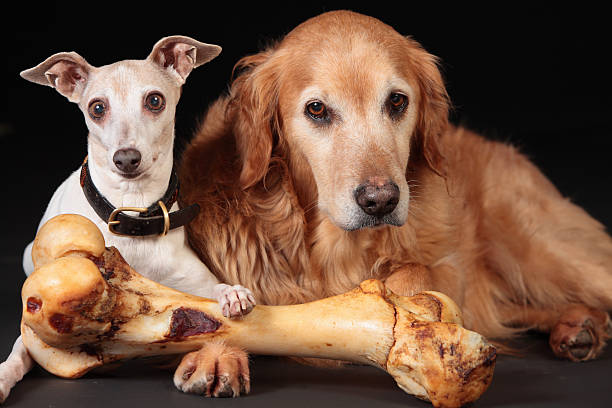
Italian Greyhounds are small dogs with fast metabolisms, lean bodies, and sensitive digestive systems. Choosing the right food matters because their nutrition affects energy levels, coat condition, muscle health, and long term wellness.Italian Greyhound Food
Even though they are small dogs, Italian Greyhounds are active and usually need balanced meals with quality ingredients rather than simply low calorie food.
What Type of Food Is Best for Italian Greyhounds?
Most Italian Greyhounds do well with high quality dog food designed for small breeds.
A balanced diet should include:
- Quality animal protein
- Healthy fats
- Digestible carbohydrates
- Vitamins and minerals
- Omega fatty acids
Protein is especially important because the breed naturally has a lean body structure.
Dry Food vs Wet Food
Both dry and wet food can work depending on the dog’s needs and preferences.
Dry Dog Food
Dry kibble is popular because it is:
- Convenient to store
- Easy to portion
- Helpful for dental health
Small breed formulas are usually easier for Italian Greyhounds to chew.
Wet Dog Food
Wet food may help with:
- Hydration
- Picky eaters
- Older dogs with dental issues
Some owners combine wet and dry food together.
How Much Should an Italian Greyhound Eat?
Portion size depends on:
- Age
- Weight
- Activity level
- Metabolism
- Overall health
Because Italian Greyhounds are naturally slim, owners sometimes worry they are underweight when they are actually healthy.
Overfeeding can lead to unnecessary weight gain, which places extra stress on their thin legs and joints.
Feeding Puppies vs Adult Dogs
Italian Greyhound Puppies
Puppies need more frequent meals because they are growing quickly.
Puppy diets should support:
- Bone development
- Muscle growth
- Energy needs
Small breed puppy formulas are often the best choice.
Adult Italian Greyhounds
Adults usually eat two measured meals per day.
Consistency helps maintain stable energy and digestion.
Common Food Sensitivities
Some Italian Greyhounds have sensitive stomachs.
Possible signs of food intolerance include:
- Itching
- Loose stool
- Excess gas
- Ear irritation
- Frequent stomach upset
If problems continue, a veterinarian may recommend limited ingredient or sensitive stomach formulas.
Healthy Treat Options
Treats should stay moderate because small dogs gain weight quickly.
Simple options may include:
- Small training treats
- Lean cooked chicken
- Carrot slices
- Dog safe fruits in moderation
Avoid giving large amounts of human food.
Foods Dogs Should Never Eat
Some foods are dangerous for all dogs, including Italian Greyhounds.
Avoid:
- Chocolate
- Grapes and raisins
- Onions and garlic
- Xylitol sweetener
- Alcohol
- Cooked bones
Even small amounts can sometimes cause serious health problems.
Importance of Hydration
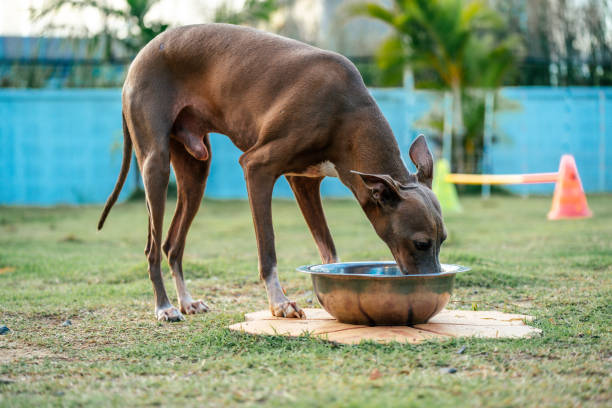
Italian Greyhounds should always have access to clean water.
Proper hydration supports:
- Digestion
- Energy levels
- Temperature regulation
- Kidney health
This is especially important in warm weather because the breed has a thin coat and lean body.
Greyhound dog’s and a woman’s hand. The dog gives its owner a paw
Choosing Quality Dog Food
When reading labels, look for:
- Named meat sources as main ingredients
- Balanced nutrition for small breeds
- AAFCO nutritional standards
- Limited unnecessary fillers
More expensive food is not always better, but ingredient quality matters.
Final Thoughts
Feeding an Italian Greyhound properly means focusing on balanced nutrition, portion control, and ingredient quality. These dogs are naturally lean, active, and sensitive, so consistent feeding habits and quality food choices help support long term health.
A simple diet with quality protein, healthy fats, and proper portions is usually the best approach for keeping an Italian Greyhound healthy and energetic.