
Casseroles have a reputation. For some people, they bring back memories of heavy, cream-laden dishes that leave you feeling sluggish. But casseroles do not have to be that way. With a few smart swaps and fresh ingredients, they can be one of the easiest ways to get a balanced, nourishing dinner on the table.
If you are cooking for a family, meal prepping for the week, or just want something warm and satisfying after a long day, healthy casseroles can check every box. They are practical, flexible, and easy to customize based on what you already have in your kitchen.
In this guide, you will find a mix of healthy casserole recipes along with tips to help you build your own. Everything is written with real life in mind. No complicated steps. No hard-to-find ingredients. Just good food that works.

Why Choose Healthy Casseroles?
A well-made casserole can be one of the most balanced meals you eat all week. Here is why:
1. Built-in portion control
Everything is baked together in one dish, making it easier to manage serving sizes.
2. Nutrient-dense ingredients
You can pack in vegetables, lean proteins, whole grains, and healthy fats all in one meal.
3. Budget-friendly
Casseroles stretch ingredients. A single dish can feed a whole family or provide leftovers.
4. Great for meal prep
Most casseroles reheat well, which makes them perfect for busy schedules.
5. Customizable
You can adjust ingredients based on dietary needs, including gluten-free, dairy-free, or low-carb
What Makes a Casserole Healthy?
Not all casseroles are created equal. A healthy version focuses on balance and quality.
Here are a few simple guidelines:
- Use lean proteins like chicken breast, turkey, beans, or fish
- Add plenty of vegetables for fiber and vitamins
- Choose whole grains like brown rice or quinoa instead of refined pasta
- Limit heavy creams and replace them with Greek yogurt, broth, or tomato-based sauces
- Keep cheese, but use it in moderation for flavor rather than bulk
Recipe 1: Chicken and Vegetable Brown Rice Casserole
This is a classic comfort dish with a lighter touch. It is filling without feeling heavy.
Ingredients
- 2 cups cooked brown rice
- 2 cups cooked shredded chicken breast
- 1 cup broccoli florets
- 1 cup chopped carrots
- 1 cup spinach
- 1 small onion, diced
- 2 cloves garlic, minced
- 1 cup low-sodium chicken broth
- 1/2 cup plain Greek yogurt
- 1/2 cup shredded cheddar cheese
- 1 teaspoon paprika
- Salt and pepper to taste
Instructions
- Preheat oven to 375°F.
- In a large bowl, combine rice, chicken, and vegetables.
- In a separate bowl, mix broth, Greek yogurt, garlic, and spices.
- Pour the mixture over the rice and stir well.
- Transfer to a baking dish and top with cheese.
- Bake for 25 to 30 minutes until heated through.
Why it works
This casserole balances protein, fiber, and healthy carbs. The Greek yogurt adds creaminess without heavy fat.
Recipe 2: Turkey Sweet Potato Casserole
This dish is slightly sweet, savory, and perfect for cooler evenings.
Ingredients
- 1 pound ground turkey
- 2 medium sweet potatoes, peeled and cubed
- 1 zucchini, chopped
- 1 bell pepper, diced
- 1/2 onion, chopped
- 1 teaspoon cumin
- 1 teaspoon smoked paprika
- 1/2 cup tomato sauce
- 1/4 cup shredded mozzarella
- Olive oil, salt, and pepper
Instructions
- Preheat oven to 375°F.
- Roast sweet potatoes with a drizzle of olive oil for 20 minutes.
- Cook turkey in a skillet with onion and spices until browned.
- Add vegetables and cook until slightly tender.
- Stir in tomato sauce.
- Combine everything in a baking dish and top with cheese.
- Bake for 20 minutes.

Why it works
Sweet potatoes provide fiber and natural sweetness, while turkey keeps it lean and protein-rich.
Recipe 3: Healthy Tuna Noodle Casserole
A lighter version of a classic American dish.
Ingredients
- 8 ounces whole wheat pasta
- 2 cans tuna in water, drained
- 1 cup peas
- 1/2 cup mushrooms, sliced
- 1 cup unsweetened almond milk
- 1/2 cup Greek yogurt
- 1 tablespoon olive oil
- 1 tablespoon flour
- 1/2 cup grated Parmesan
- Salt and pepper
Instructions
- Cook pasta according to package directions.
- In a pan, heat olive oil and cook mushrooms.
- Stir in flour and slowly add milk to create a sauce.
- Mix in Greek yogurt and season.
- Combine pasta, tuna, peas, and sauce.
- Transfer to baking dish, top with Parmesan.
- Bake at 375°F for 20 minutes.
Why it works
You still get that creamy texture, but with less saturated fat and more protein.
Recipe 4: Vegetarian Quinoa and Black Bean Casserole
Perfect for meatless nights that still feel hearty.
Ingredients
- 1 cup cooked quinoa
- 1 can black beans, rinsed
- 1 cup corn
- 1 cup diced tomatoes
- 1/2 onion, chopped
- 1 teaspoon chili powder
- 1 teaspoon cumin
- 1/2 cup shredded cheese
- Fresh cilantro
Instructions
- Preheat oven to 375°F.
- Mix all ingredients except cheese in a bowl.
- Transfer to a baking dish.
- Top with cheese.
- Bake for 25 minutes.
- Garnish with cilantro before serving.
Why it works
Quinoa and beans provide complete protein and fiber, keeping you full longer.
Recipe 5: Zucchini Lasagna Casserole (Low-Carb Option)
A great choice if you want to reduce carbs without sacrificing comfort.
Ingredients
- 3 zucchinis, sliced lengthwise
- 1 pound lean ground beef or turkey
- 1 cup marinara sauce
- 1/2 cup ricotta cheese
- 1/2 cup shredded mozzarella
- 1 teaspoon Italian seasoning
Instructions
- Preheat oven to 375°F.
- Cook meat and mix with marinara sauce.
- Layer zucchini slices, meat mixture, and ricotta in a dish.
- Repeat layers and top with mozzarella.
- Bake for 30 minutes.
Why it works
Zucchini replaces pasta, cutting down carbs while adding nutrients.
Tips for Making the Best Healthy Casseroles
Cooking casseroles is simple, but a few small tips can make a big difference.
Use fresh ingredients when possible
Frozen vegetables work fine, but fresh ones often provide better texture.
Do not overcook before baking
Ingredients will continue cooking in the oven, so keep stovetop cooking minimal.
Season properly
Healthy does not mean bland. Use herbs, spices, garlic, and citrus to boost flavor.
Let it rest before serving
Allow your casserole to sit for 5 to 10 minutes after baking. This helps it set and improves texture.
Make-Ahead and Storage Tips
One of the best things about casseroles is how well they fit into busy schedules.
To make ahead:
Assemble the casserole and store it in the fridge for up to 24 hours before baking.
To freeze:
Wrap tightly and freeze for up to 3 months. Thaw overnight before baking.
To reheat:
Cover with foil and heat at 350°F until warmed through.
How to Build Your Own Healthy Casserole
Once you understand the structure, you can create endless variations.
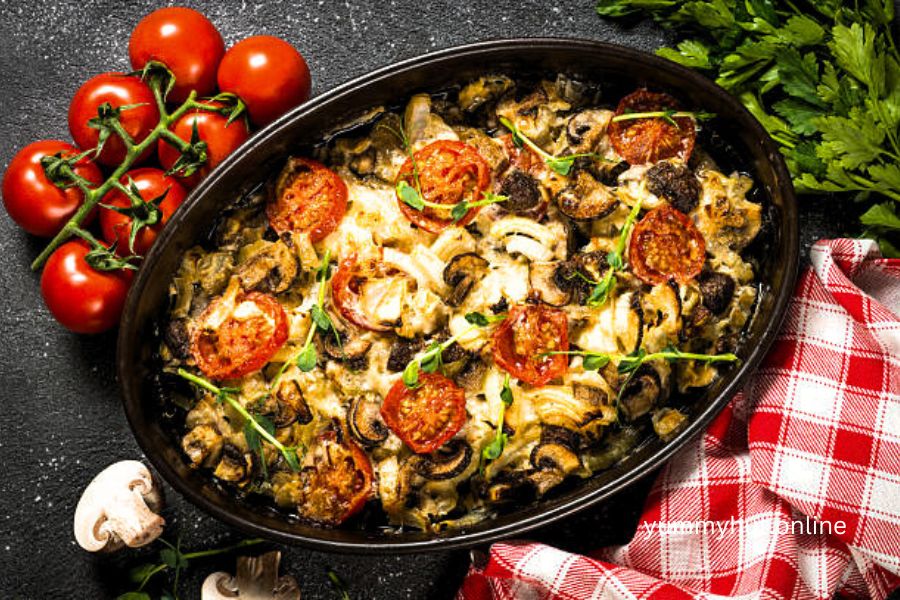
Steps 1: Choose a base
- Brown rice
- Quinoa
- Whole wheat pasta
- Cauliflower rice
Step 2: Add protein
- Chicken
- Turkey
- Beans
- Fish
- Tofu
Step 3: Load up vegetables
Aim for at least two different vegetables for variety and nutrition.
Step 4: Add a sauce
- Tomato-based
- Broth and yogurt mix
- Light cheese sauce
Step 5: Finish with toppings
- A small amount of cheese
- Whole grain breadcrumbs
- Fresh herbs
Common Mistakes to Avoid
Even simple dishes can go wrong. Here are a few things to watch out for:
Too much liquid
This can make your casserole soggy. Measure carefully.
Too much cheese
It is tempting, but it can overpower the dish and add unnecessary calories.
Skipping seasoning
Healthy food still needs flavor.
Overbaking
This can dry out the ingredients, especially lean proteins.
Final Thoughts
Healthy casseroles are one of the easiest ways to cook meals that feel comforting and nourishing at the same time. They work for weeknight dinners, family gatherings, and meal prep without adding stress to your routine.
The best part is flexibility. You do not need to follow recipes exactly. Use what you have, adjust flavors to your taste, and keep things simple.
Start with one of the recipes above, and once you get comfortable, build your own combinations. Over time, you will find your go-to versions that fit your schedule and your preferences.
A good casserole does not just fill you up. It makes dinner easier, more balanced, and something you can actually look forward to at the end of the day.